
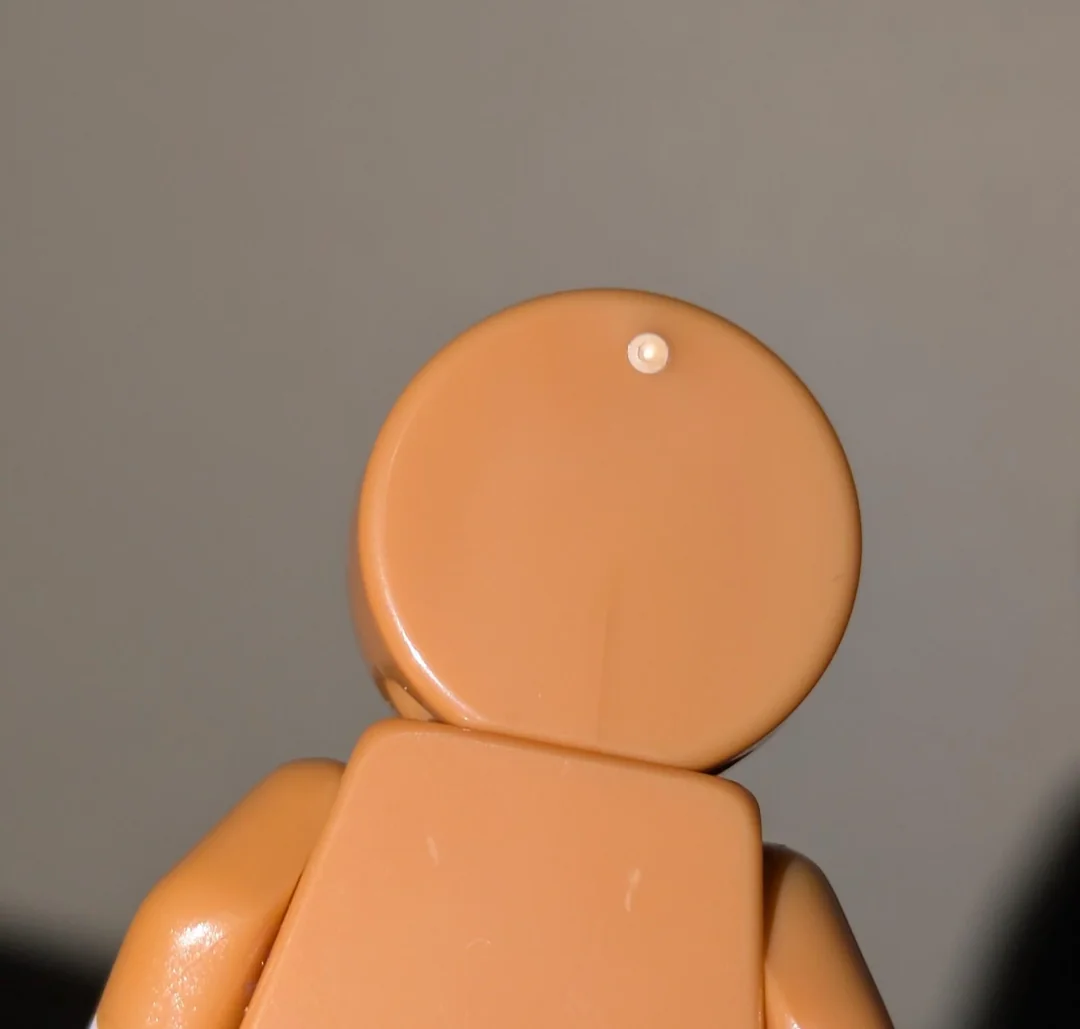
A fresh quality concern around LEGO Minifigures 71053 Shrek is already getting a more complicated read, and that is probably good news for collectors. After early reports suggested that the new Gingy minifigure head was developing cracks around the neck opening, Brick Fanatics has now shared follow-up reporting that points to another possibility: the visible line may be a moulding artifact rather than a structural failure.
That distinction matters. If the mark is a true crack, it raises obvious durability concerns for a character many fans will want in top condition. If it is instead a witness line left by the injection moulding process, the issue becomes more about appearance than breakage. According to Brick Fanatics, an AFOL with experience in plastic moulding said the line looks like the kind of seam that can appear when molten plastic meets after flowing through different points inside a mould, or when it moves around an internal insert before joining again on a flat surface.
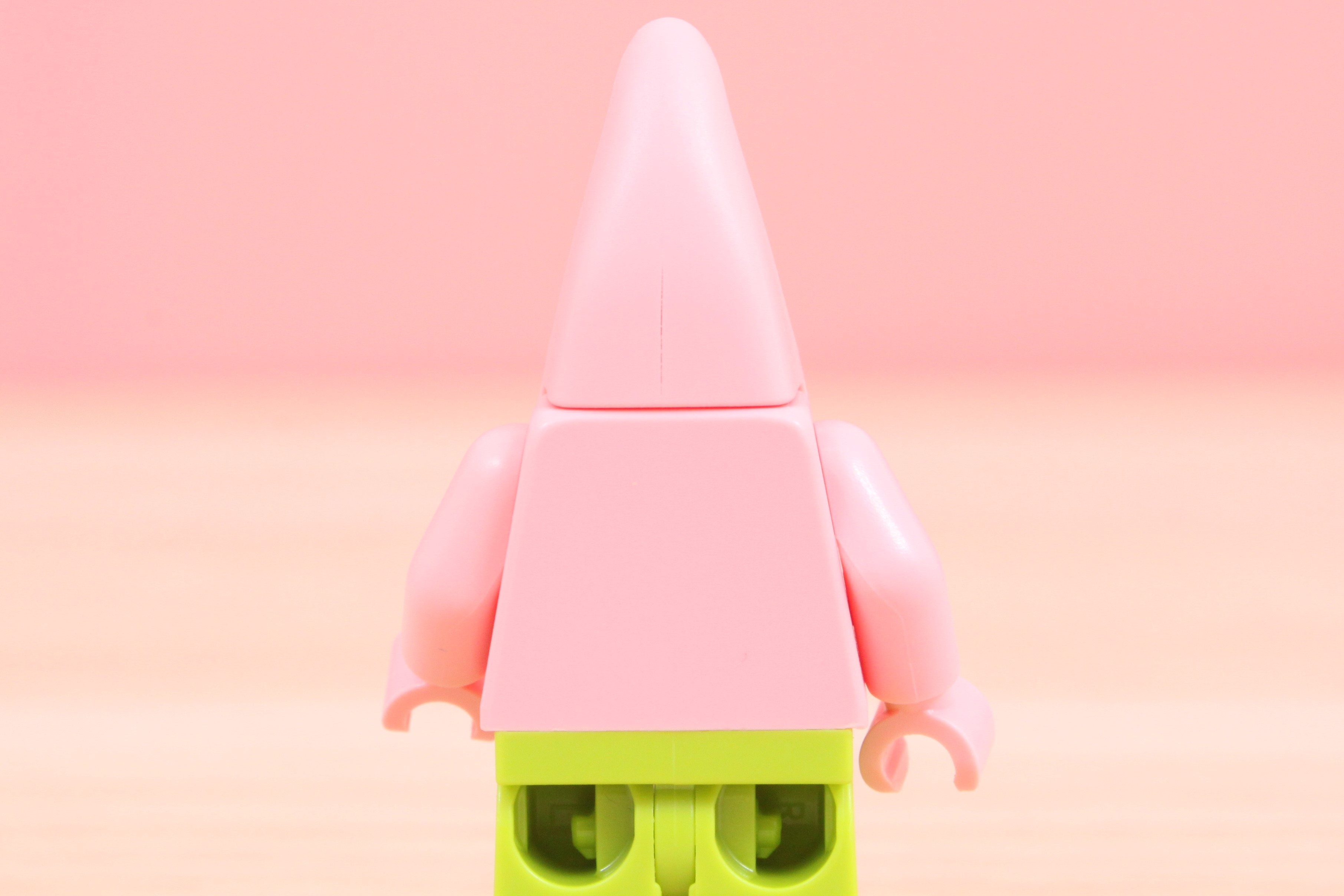
In plain terms, the line may be a byproduct of how the unique Gingy head piece had to be engineered. Brick Fanatics noted that the mark seems to become more visible once the head is pressed onto the torso, which could make it look more dramatic than it actually is. The site also reported that while the team could confirm a genuine crack on the back of a separate Patrick minifigure head by slipping a thin piece of paper into it, they have not been able to do the same with the marks seen on Gingy so far.
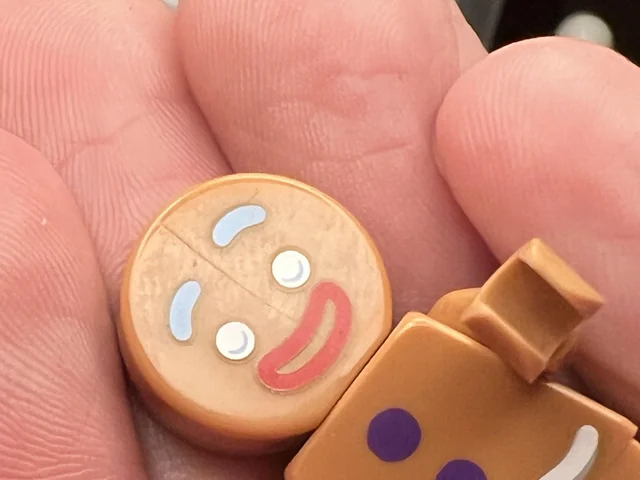
That comparison is important because it keeps this story grounded. Not every visible line on a minifigure element means the plastic is splitting. In the case of Gingy, the current evidence appears mixed: the mark is real, it can widen visually under stress when the part is attached, but it has not yet behaved like a confirmed crack in testing. That leaves room for caution without jumping straight to the worst-case conclusion.
It is also a reminder that highly specialized moulds often create new edge cases. The Gingy piece is not a standard round minifigure head, and its unusual shape may have forced a compromise in where the witness line sits. Brick Fanatics even suggested that the visible location of the line is surprising, but possibly tied to the internal geometry of the part. For a collector item based on a licensed character with a very specific look, that kind of tradeoff can become especially noticeable.
For buyers, the practical takeaway is simple. If you have opened a 71053 Shrek blind box and noticed a line around Gingy's head, it may not mean your figure is damaged. It is worth handling the part carefully, checking whether the mark behaves like an actual split, and keeping an eye on how the broader community's experiences develop over the next few days. At the same time, this does not fully close the book on the issue. Brick Fanatics was careful not to declare the case solved, only that the available evidence now supports a less alarming explanation than the original reports suggested.
That makes this one of those LEGO stories where the follow-up is more useful than the first wave of concern. The headline is no longer simply that Gingy may be cracking. It is that collectors should separate a visible moulding line from a proven failure, especially on a newly designed part. If more firsthand reports line up with Brick Fanatics' testing, this may end up being remembered as a cosmetic quirk rather than a quality-control problem. For now, though, Gingy remains a minifigure worth checking closely before anyone calls it a widespread defect.
Source: Brick Fanatics

